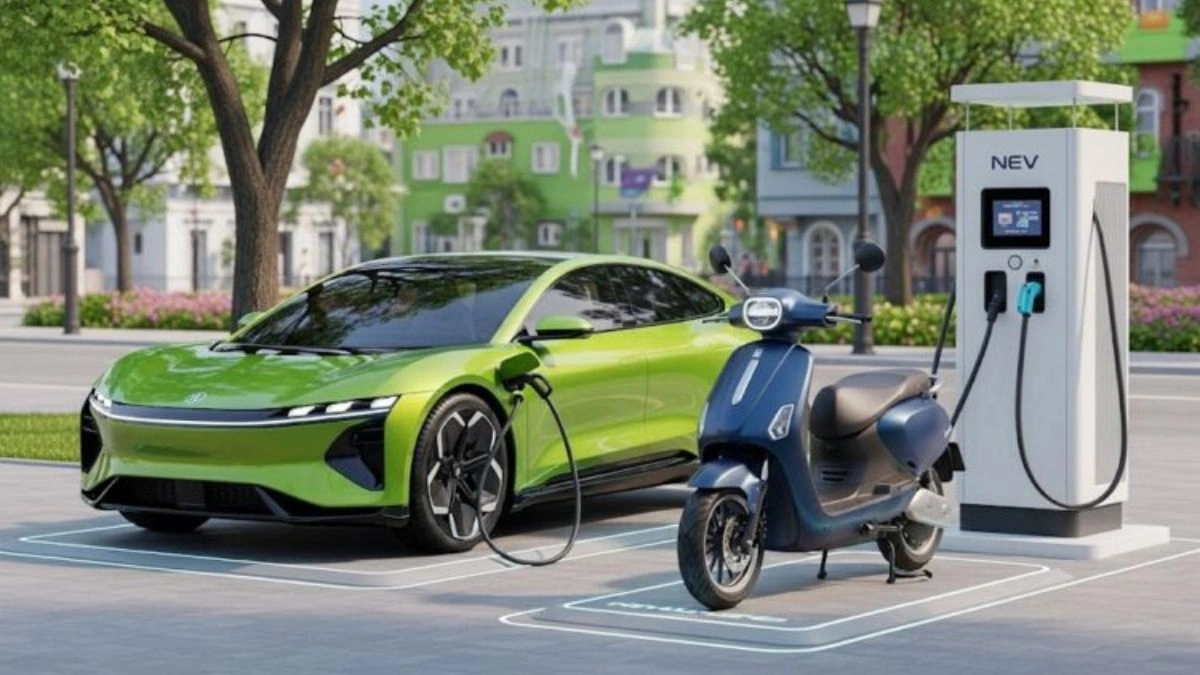
Why 2026 Could Be a Game Changer for Electric Vehicles in Pakistan
The year 2026 could become a major turning point for electric vehicles (EVs) in Pakistan, as economic realities, policy support, and market availability begin to align. With fuel prices remaining high and urban transport costs rising, EVs are increasingly being viewed as a practical alternative rather than a future concept.
Several trends expected to mature in 2026 suggest that Pakistan’s EV sector may finally shift from early adoption to wider acceptance, particularly in major cities.
Fuel Prices Are Pushing Consumers Toward EVs
Persistent increases in petrol prices have significantly raised the cost of daily commuting. Electric vehicles, by comparison, offer much lower running costs, especially for electric bikes, scooters, and small urban cars.
By 2026, the long-term savings offered by EVs could outweigh higher upfront costs, making them more attractive for middle-income households.
More EV Models and Local Assembly
Limited choice and high prices have been key hurdles for EV adoption. However, 2026 is expected to see more locally assembled electric bikes, scooters, and compact cars, improving affordability and after-sales support.
The growing presence of local manufacturers and assemblers could help stabilize prices and build consumer trust in EV technology.
Also Read:
Lahore Traffic Police Finalise Traffic Plan for New Year’s Night
Government Policies and Incentives Gaining Traction
Government support for electric mobility has gradually strengthened through:
- Reduced import duties on EV components
- Tax incentives for electric two-wheelers
- Pilot projects in public transport and delivery fleets
If these measures continue into 2026, they could significantly accelerate EV adoption across the country.
Charging Infrastructure Slowly Improving
Although Pakistan’s EV charging network is still limited, progress is visible. Charging stations are appearing in shopping malls, housing societies, offices, and fuel stations.
Urban Mobility Needs Align With EV Benefits
Major cities such as Karachi, Lahore, and Islamabad face congestion, pollution, and high transport costs. EVs are well-suited to urban conditions due to:
- Quiet operation
- Zero tailpipe emissions
- Efficiency in stop-and-go traffic
This makes 2026 a natural point where urban transport challenges and EV advantages converge.
What 2026 Could Mean for Pakistan’s EV Market
While challenges remain, 2026 could mark the transition of EVs from niche products to mainstream transport options in Pakistan, especially in the two-wheeler and entry-level segments.
If fuel prices stay high, policy support remains consistent, and local EV options expand, electric mobility could finally take off across the country.
